Chinese EV Vehicle-to-Load: Confirm Safe Use
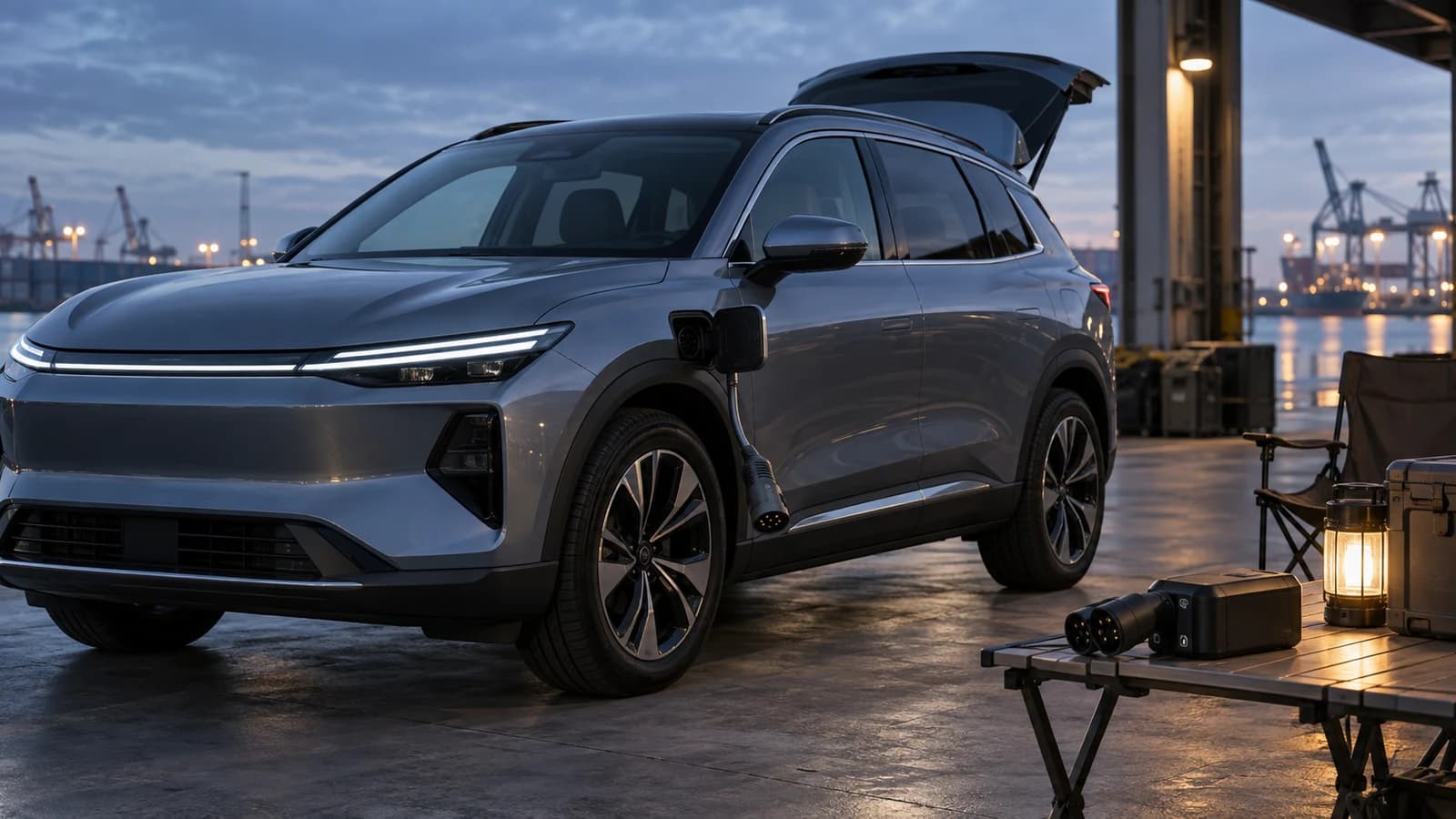
Direct answer. Verify vehicle-to-load capability through the actual Chinese EV's applicable manufacturer documentation and approved equipment before purchase. Ask a qualified provider about supported uses, limitations and destination requirements. A socket, accessory advertisement or successful demonstration with one appliance does not authorize improvised building connections or prove compatibility with every load.
Key takeaways
- Confirm the exact vehicle's supported feature and equipment.
- Define the intended use before assessing suitability.
- Obtain the applicable operating conditions from an authorized source.
- Keep electrical installation and technical assessment with qualified personnel.
- Record the demonstration's scope without expanding it into a universal claim.
Clarify what the buyer wants to power
List the ordinary intended use in practical terms. Occasional supported accessory use and supplying a property are different questions. Describe the task to the competent provider instead of assuming that a general V2L label covers every arrangement.
Identify the actual vehicle, configuration and market version. Some advertisements can combine features across trims or refer to an accessory that is not supplied with the car. Ask the seller to state what is included and what supporting manufacturer information applies.
Do not select the vehicle on a peak output claim alone. The relevant conditions, approved equipment and support route matter to whether the proposed use is suitable. Where a key requirement is unverified, keep it unverified in the purchase decision rather than filling the gap with a competitor's specifications.
Obtain the authorized feature definition
Request the applicable manufacturer instructions and have a competent provider explain their scope. Confirm the supported accessory and the requirements relevant to the intended task. A photograph of a generic adapter cannot establish that the identified vehicle approves it.
Ask whether the proposed equipment is included, separately supplied or unavailable in the destination. Verify its identity and support route before purchase. An accessory described as compatible by a marketplace seller should not override the vehicle manufacturer's applicable information.
This article supplies no electrical wiring, building connection or improvised adapter procedure. Do not connect the vehicle to a property's electrical system or alter protective arrangements without the relevant qualified assessment and approvals. The competent parties must determine the safe, lawful and supported arrangement.
Build a V2L acceptance file
| Item | Evidence question |
|---|---|
| Vehicle | Is the feature documented for this configuration? |
| Equipment | Is the proposed accessory identified and supported? |
| Intended task | Does the authorized scope cover the buyer's use? |
| Conditions | Which manufacturer instructions govern operation? |
| Destination | What professional or authority decisions are required? |
| Support | Who handles faults, damage or replacement? |
Record who supplied each answer and which source supports it. Keep the worksheet separate from the seller's marketing brochure. A broad feature label can help discover a capability but should not become the sole basis for an electrical-use decision.
Use a bounded authorized demonstration
Have the competent provider choose an appropriate demonstration under the applicable instructions. Record the actual vehicle, supported equipment, identified use and result. A successful demonstration supports that observed combination; it does not certify every device or future operating condition.
Do not create a hazardous load or intentionally defeat a safeguard to test the limits. If the provider identifies a warning or unsuitable arrangement, stop and obtain the approved next step. An unsuccessful trial should produce an evidence question rather than an improvised technical workaround.
If the buyer's essential use differs from the demonstration, state that difference. A showroom display powering a small item may not answer the intended ownership question. Ask the competent provider what further authorized assessment is required before relying on the feature.
Check destination and ownership consequences
For an imported vehicle, ask whether the proposed equipment or use has any destination approval, installation or insurance implication. These decisions belong to the relevant professionals and authorities. Do not assume ordinary vehicle registration approves every electrical application.
UK import guidance is an example of a vehicle-approval process, not authorization for a V2L building arrangement. Buyers elsewhere need their own applicable rules. Separate the vehicle purchase, accessory suitability and any property-side work into identifiable decisions.
Ask the insurer or adviser about the actual intended use where relevant. A generic policy summary should not be treated as cover for every external-power scenario. Obtain the applicable terms and preserve any limitations with the ownership file.
Plan instruction and support handover
At delivery, compare the supplied accessory with the agreed list and supporting evidence. Record missing, substituted or untested items. If equipment changes, ask whether the previous demonstration or provider confirmation still applies.
Give the owner the applicable instructions and support contact in a usable form. For shared vehicles, define who authorizes external-power use and who reports damage or an unusual condition. Avoid leaving an unverified accessory in the vehicle with no explanation of its supported scope.
Use the charging adapter safety guide to keep unsupported electrical changes visible and the delivery acceptance checklist to reconcile equipment. Make the purchase decision on the documented supported use, not on an assumption that a large battery can power anything.
Treat a new application as a new question
A later user may want to power different equipment from the combination originally assessed. Require the relevant supported-use review before approving that change. Keep the original demonstration record, but do not use it to justify an unrelated application simply because the same accessory is present. For shared vehicles, designate who can request a competent assessment and who communicates its result. This prevents an apparently successful earlier experiment from becoming an informal authorization for increasingly different electrical uses.
Frequently asked questions
Does a V2L label guarantee that I can power my house?
No. Property connections are a separate professional and regulatory question. This guide does not authorize or explain such a connection.
Is an accessory listing sufficient compatibility evidence?
No. Verify the actual vehicle, accessory and intended use through the applicable manufacturer information and competent providers.
Can one demonstration establish every supported load?
No. Preserve its exact scope and obtain further qualified assessment where the intended use differs.
Sources
- U.S. DOE: EV consumer information — general ownership context, not V2L authorization.
- GOV.UK: vehicle approval for imports — UK-specific vehicle approval, not property electrical permission.