Chinese EV Roof Loads and Towing: Check the Evidence
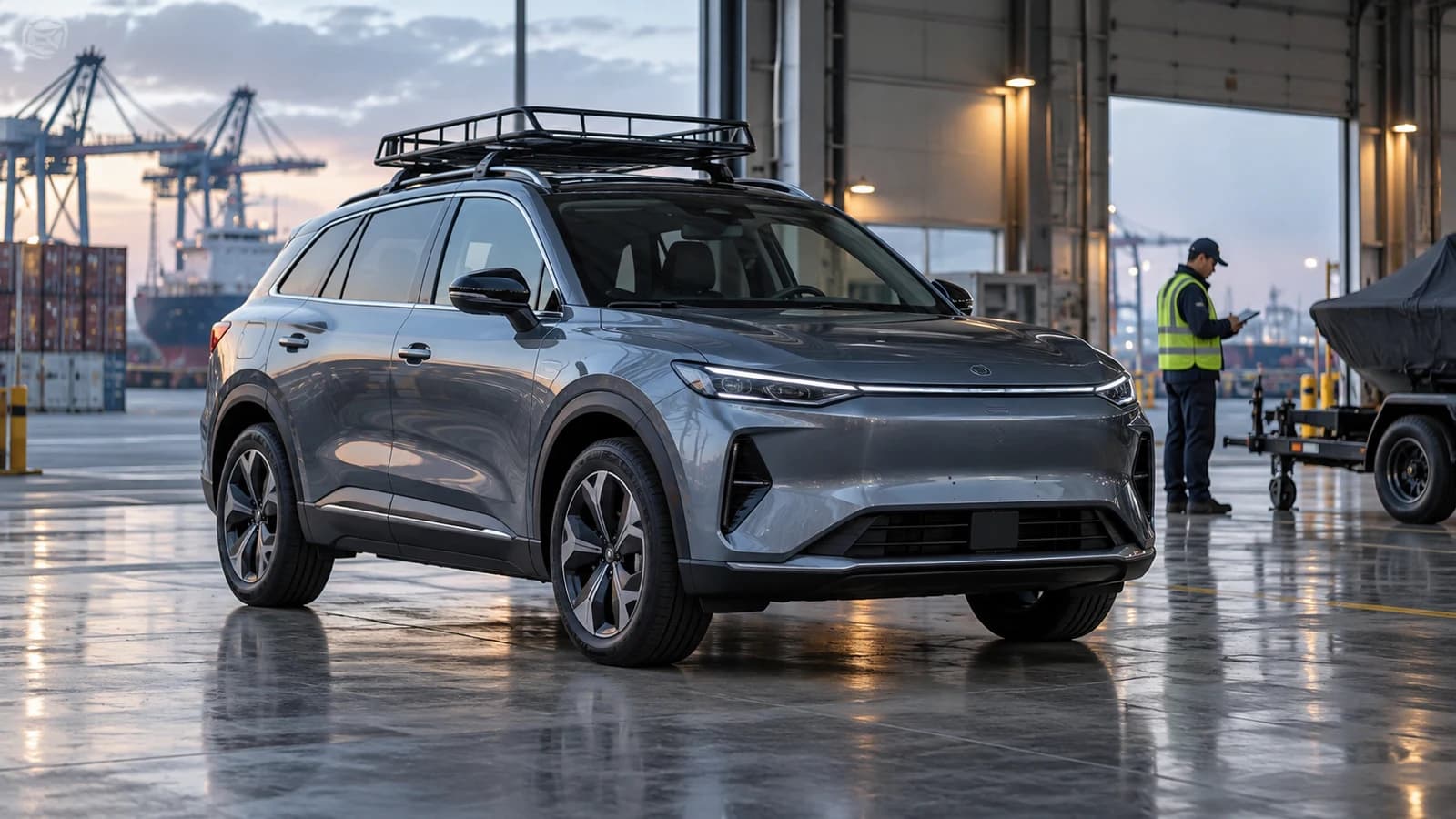
Direct answer. Confirm roof-load and towing permissions from the applicable manufacturer documentation for the exact Chinese EV configuration, then check destination approval and insurance conditions. Roof rails, a visible hitch or a powerful motor do not prove an authorized capacity. If the evidence is missing, do not fill the gap with specifications from another market or trim.
Key takeaways
- Identify the exact vehicle, configuration and approved equipment.
- Treat roof carrying and towing as separate evidence questions.
- Obtain the applicable limits and conditions from a competent source.
- Confirm any destination approval or insurance implications.
- Avoid modifying the vehicle before the support route is clear.
Begin with the intended task
State what you need to carry or tow and under what ordinary conditions. A buyer transporting bicycles has a different requirement from one planning regular trailer work. Give the competent provider enough detail to assess the proposed arrangement without assuming that a generic SUV description answers the question.
Identify the actual vehicle by VIN, trim and market configuration. Ask which manufacturer documents apply to it and whether the proposed equipment is supported. A specification for a related model or an overseas version may not describe the imported car.
Do not infer capacity from motor output, vehicle mass or the presence of an attachment point. Those observations cannot replace the relevant authorized information. A seller who cannot provide that information should leave the capability unverified rather than substitute an informal estimate.
Keep roof carrying and towing distinct
For roof carrying, ask what the applicable vehicle and equipment instructions allow and under which conditions. The carrier, mounting arrangement and vehicle may have different requirements. A competent installer should assess the combined arrangement rather than selecting one convenient number.
For towing, ask whether the identified configuration supports the intended trailer arrangement and what documents establish it. Mechanical fit of an accessory is not sufficient evidence that the activity is authorized. Obtain advice on any relevant electrical, installation or inspection requirements through the proper provider.
This guide supplies no universal load limit, towing capacity or installation procedure. Do not drill, wire, modify control systems or fit an unapproved accessory to prove that the car can do the job. The appropriate manufacturer and destination-side professional guidance must govern the work.
Use a capability evidence register
| Question | Evidence required |
|---|---|
| Which vehicle is involved? | VIN, trim and applicable documentation |
| What is the intended task? | Buyer description of carrier or trailer use |
| Is the configuration supported? | Manufacturer or authorized-provider confirmation |
| Which equipment is proposed? | Identified part and installation scope |
| What conditions apply? | Applicable instructions and qualified explanation |
| What does the destination require? | Approval, registration or insurance advice |
Record the source and date of each answer. An accessory advertisement can identify a product, but it should not be treated as vehicle approval. If a provider relies on another party's document, preserve that source and its stated scope.
Resolve destination requirements before installation
Ask a qualified destination adviser or relevant authority whether the proposed use or modification affects the import-approval route. A car's eligibility for ordinary registration does not automatically establish approval of every later accessory or towing arrangement.
UK government guidance illustrates that imported vehicles have an approval stage. It does not decide whether an individual Chinese EV may tow a particular trailer. Buyers outside the UK need their own destination-specific process and should avoid treating this example as a worldwide rule.
Tell the insurer or adviser about the intended use and proposed modifications. Request the applicable policy position rather than assuming standard cover includes everything. The insurance decision should identify the actual vehicle and equipment; a generic quote for a similar SUV is not enough.
Check support beyond the installation day
Ask who can inspect and service the proposed arrangement after delivery. The buyer needs a route for damaged parts, electrical faults and changes in intended use. A seller's promise that an accessory can be fitted is incomplete if no competent destination provider will support it.
Obtain a quote that identifies the equipment, approved work and assumptions. Distinguish the product cost from installation, inspection and any destination requirements. A low headline price can omit the steps needed to make the arrangement suitable for the actual vehicle.
If the planned equipment changes before purchase, reassess the combined arrangement. A roof box, bicycle carrier or trailer substitution may create a new question. Do not continue using an earlier approval statement when its underlying configuration has changed.
Include use conditions in the ownership handover
Give the new owner the applicable vehicle and accessory instructions, identified support contact and any limitations. A handover note should make clear which capability was verified and which remains outside the accepted scope. Avoid turning a qualified provider's narrow conclusion into a broad marketing claim.
General EV consumer information describes ownership considerations, not model-specific roof or towing capacities. The necessary capability evidence must come from the relevant manufacturer and competent destination parties. Where no supported route can be established, reconsider whether the vehicle suits the intended task.
Use the homologation checklist to keep approval questions visible and the delivery acceptance guide to record the installed equipment. Make the decision while alternatives remain available, not after committing to unsupported work.
Keep sales descriptions within the verified scope
If the vehicle is later offered for resale or used in a fleet proposal, describe only the capability supported by the preserved evidence. Do not turn an installer statement about one identified arrangement into a general towing or roof-load claim. Give the next responsible owner the relevant instructions and limitations. A clear transfer of the evidence helps prevent future use from relying on an unsupported marketing shorthand.
Frequently asked questions
Do factory roof rails prove a particular load capacity?
No. Obtain the applicable vehicle and carrier instructions and have a competent provider assess the proposed arrangement.
Does a fitted hitch prove towing is permitted?
No. Physical presence and authorized capability are different facts. Verify the vehicle configuration, equipment and destination requirements.
Can I copy another country's published specification?
Only a competent source can establish whether it applies to your actual vehicle. Do not substitute another trim or market version for missing evidence.
Sources
- GOV.UK: vehicle approval for imports — UK-specific approval context, not capacity certification.
- U.S. DOE: EV consumer information — general ownership context, not roof or towing specifications.